



Obtaining a Green Card is one of the most important steps for individuals seeking to live and work permanently in the United States. However, the process can be complex and overwhelming. This guide breaks down the key steps, eligibility categories, and what applicants can expect along the way.
For many individuals and families, obtaining a Green Card represents stability, opportunity, and a long-term future in the United States. Lawful permanent residency allows you to live and work in the country indefinitely, but the path to getting there can involve multiple steps and careful preparation.
Understanding how the Green Card process works can help you avoid delays and increase your chances of success.
What Is a Green Card?
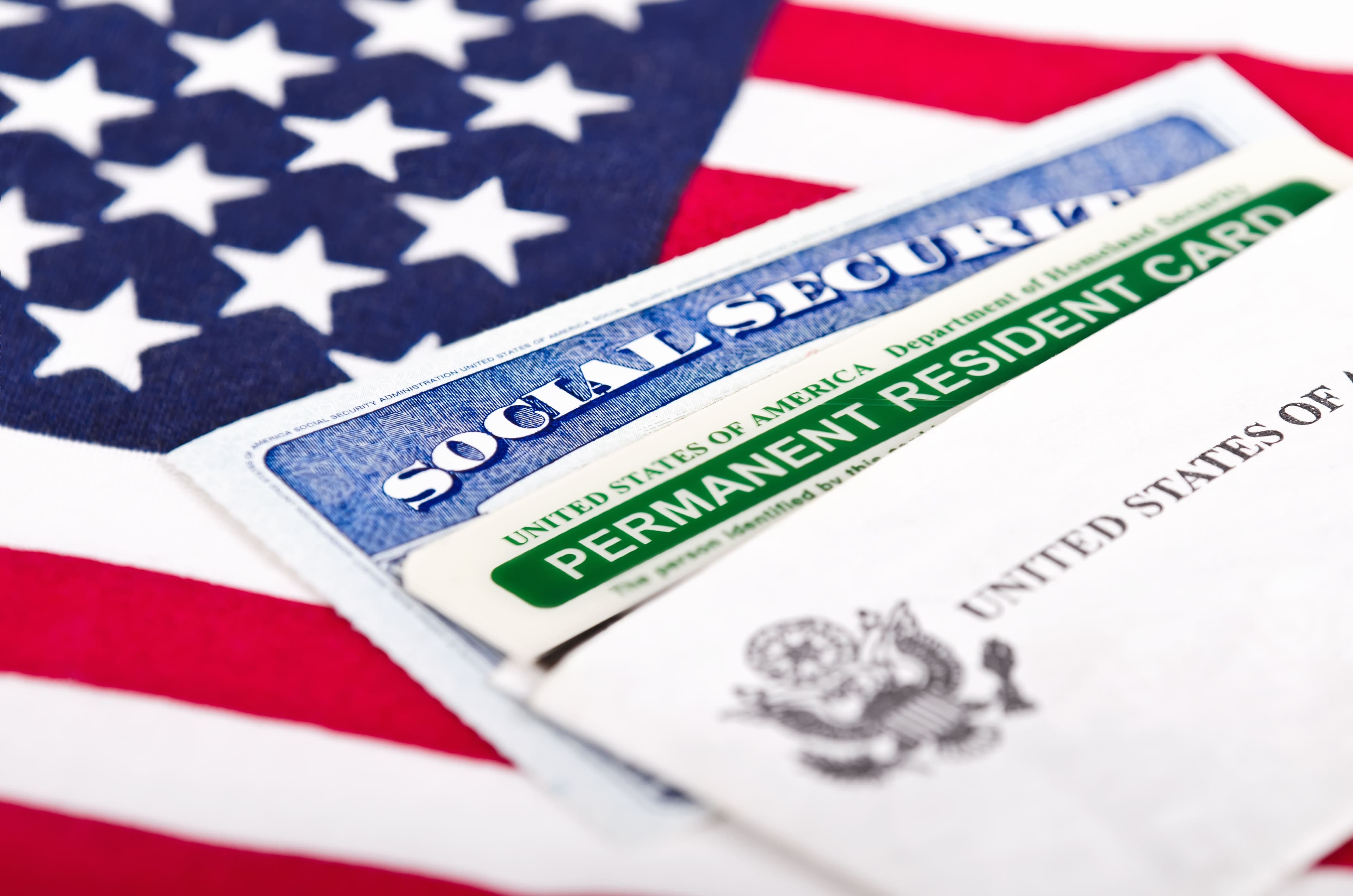
A Green Card, officially known as a Permanent Resident Card, grants an individual the legal right to live and work in the United States on a permanent basis. It also serves as a pathway to U.S. citizenship for those who meet the eligibility requirements.
Green Card holders enjoy several benefits, including:
The ability to work legally in the U.S.
Protection under U.S. laws
The option to apply for citizenship after a certain period
The ability to sponsor certain family members
However, obtaining a Green Card requires meeting specific eligibility criteria.
Common Ways to Qualify for a Green Card
There are several pathways to obtaining a Green Card, depending on your circumstances. The most common include:
Family-Based Green Cards These are available to close relatives of U.S. citizens or lawful permanent residents, such as spouses, children, and parents.
Employment-Based Green Cards Individuals with job offers, specialized skills, or extraordinary abilities may qualify through employment sponsorship.
Humanitarian Programs Refugees, asylees, and certain victims of crimes or abuse may be eligible for permanent residency.
Diversity Visa Lottery Applicants from eligible countries may apply through a lottery system that grants a limited number of Green Cards each year.
Each category has its own requirements and processing times.
The Green Card Application Process
While the exact process may vary depending on your category, most Green Card applications follow several key steps:
1. Determine Eligibility The first step is identifying which category you qualify under.
2. File an Immigrant Petition In many cases, a sponsor (such as a family member or employer) must file a petition on your behalf.
3. Wait for Visa Availability Some categories have annual limits, which may result in waiting periods.
4. Apply for Adjustment of Status or Consular Processing If you are already in the U.S., you may apply to adjust your status. If you are outside the country, you will go through consular processing.
5. Attend Biometrics Appointment This involves fingerprinting and background checks.
6. Complete the Interview Applicants are typically required to attend an interview where they answer questions about their application.
7. Receive a Decision If approved, you will receive your Green Card and become a lawful permanent resident.
Adjustment of Status vs. Consular Processing
The process differs depending on your location:
Adjustment of Status: For individuals already in the United States
Consular Processing: For those applying from outside the country through a U.S. embassy or consulate
Each option has its own procedures and timelines.
Common Challenges and Delays
The Green Card process can be lengthy and sometimes unpredictable. Common challenges include:
Missing or incomplete documentation
Long wait times due to visa limits
Requests for additional evidence
Errors in applications
Careful preparation and attention to detail can help reduce delays.
Maintaining Your Status
Once you receive your Green Card, it’s important to follow the rules to maintain your status. This includes:
Avoiding extended trips outside the U.S.
Filing taxes as a resident
Not committing certain criminal offenses
Failure to comply with these requirements can put your permanent residency at risk.
Pathway to U.S. Citizenship
After holding a Green Card for a certain number of years—typically five, or three if married to a U.S. citizen—you may be eligible to apply for naturalization.
Becoming a U.S. citizen provides additional rights, including the ability to vote and obtain a U.S. passport.
Why Legal Guidance Is Important
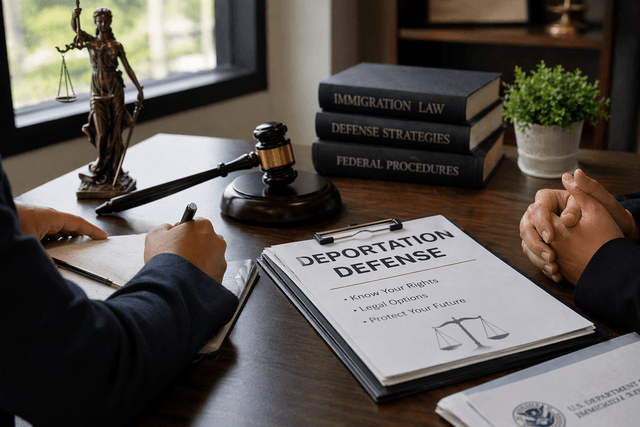
Immigration laws and procedures can be complex, and even small mistakes can lead to delays or denials. Having experienced legal guidance can help ensure that your application is completed correctly and efficiently.
An attorney can help you determine eligibility, prepare documentation, and navigate any challenges that arise during the process.
Taking the Next Step
Applying for a Green Card is a significant step, and being informed can make the journey smoother. By understanding the process and preparing thoroughly, you can move closer to achieving your goal of permanent residency.
Final Thoughts
The Green Card process may seem overwhelming at first, but with the right information and support, it becomes much more manageable. Whether you are applying through family, employment, or another pathway, understanding your options is key to success.
Taking a proactive approach can help you avoid unnecessary setbacks and stay on track toward your future in the United States.
If you’re ready to begin your journey toward permanent residency or need help navigating the Green Card process, the experienced team at Peynado Law Firm is here to guide you every step of the way. Reach out today for trusted immigration support and personalized assistance.